What I Learned from Quitting Caffeine
This page was translated from the Japanese original by AI.
Read the original (Japanese) →Introduction: I’m So Glad I Quit!
It has been about two months (around a month and a half, to be exact) since I gave up coffee, energy drinks, and other caffeinated beverages.
To jump straight to the conclusion: “I am so truly glad I quit!”
My body feels lighter, my head is clearer, and I find myself navigating every day with a calm, steady mind. In this post, I want to share why I decided to quit caffeine, the changes that followed, and the pros and cons I’ve noticed along the way in a straightforward, accessible way.
Why Did I Quit Caffeine?
To get a bit personal, I developed depression this past April and had to take a leave of absence from work.
As I rested and reflected on my lifestyle up to that point, a sudden realization hit me: “Was I constantly pushing myself past my limits using caffeine?”
When studying for exams or swamped with work, drinking a cup of coffee or an energy drink makes you feel like, “Alright, let’s do this!” It gives you that familiar surge of energy. Caffeine temporarily sharpens your focus and boosts your motivation.
I happen to be especially sensitive to caffeine, and during intense work periods, I was getting through the days by drinking three to five cups of coffee. When urgent deadlines loomed, I would wake up at 4:00 or 5:00 in the morning, chug a coffee first thing, and immediately dive into work.
But that wasn’t genuine vitality. I was merely forcing an exhausted body to keep moving with caffeine.
“A lifestyle so reliant on caffeine might simply not be right for my body.” With that thought, and having some breathing room while off work, I decided to take the plunge and cut it out completely.
What Happened Next? Withdrawal Symptoms and How I Overcame Them
The First Two Weeks: The Onset of Withdrawal
Right after I made up my mind to quit, I experienced intense withdrawal symptoms (the body’s reaction when stopping a substance it has depended on).
Lounging in the morning, reading a book, stopping by a café—out of nowhere, a fierce urge would strike: “Ugh, I want a cup of coffee so badly...!” It felt very much like trying to quit smoking.
How Did I Get Through It?
Two things proved genuinely helpful in getting through that phase:
- Staying motivated with AI and videos Whenever doubt crept in and I wondered, “Is quitting caffeine actually worth it?” I talked things through with an AI or watched personal accounts on YouTube. It helped reset my mindset and encouraged me to keep going.
- Making smart use of decaf I didn't deprive myself of the pleasure of enjoying a flavorful, delicious drink. Instead, I switched to caffeine-free decaf coffee and herbal or decaf teas.
After keeping this up for about two weeks, the intense cravings completely vanished. Now, two months in, I have zero withdrawal symptoms.
Adopting a decaf routine also opened my eyes to two things: there are surprisingly many decaf options out there, and everyday beverages contain far more caffeine than we usually realize.
Three Big Benefits I Experienced from Quitting Caffeine
Here are the three most noticeable benefits I’ve felt since cutting caffeine out:
1. Mood swings disappeared, leaving me steadily calm
In the past, caffeine would give me a massive surge in energy, but as soon as it wore off, a heavy wave of fatigue and low mood followed—an endless cycle of ups and downs.
To put it into perspective, it looked something like this:
- After caffeine: Temporary power surge up to 150%!
- When it wears off: The crash drops energy down to 70%...
- Daily average: Averaged out, it actually drops to around 90%.
Now that I’ve quit caffeine, my state of mind throughout the day resembles a calm sea—completely tranquil. I don't get excessively hyped, but having a stable, flat baseline of energy all day long makes life so much easier emotionally.
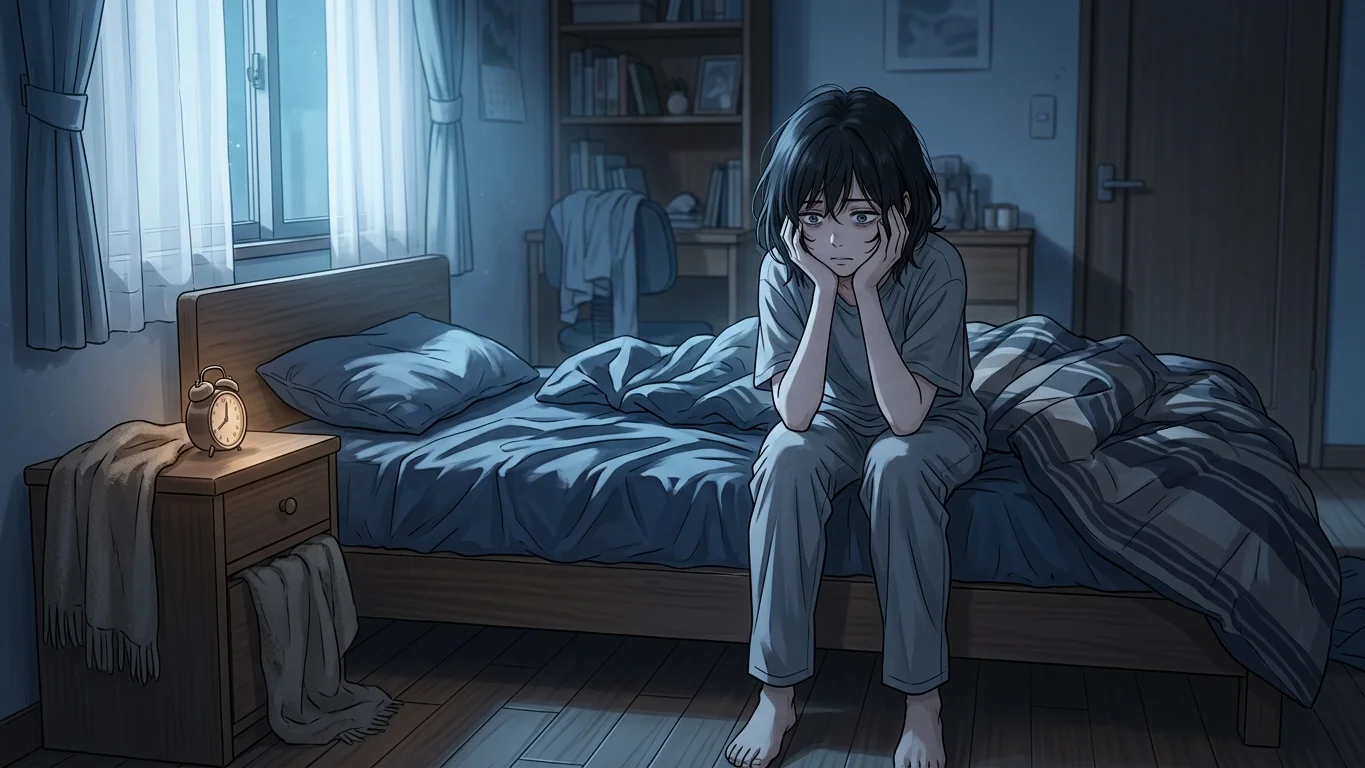
2. Sleep quality improved dramatically
The biggest shift was being able to sleep soundly through the night. This comes down to how our brain works.
As we go about our daily activities, a fatigue substance called adenosine (which signals sleepiness) gradually builds up in the brain. When enough adenosine accumulates, we naturally get sleepy at night and fall into deep, restorative sleep.
When you consume caffeine, however, it acts like a cap over the adenosine receptors. The brain gets tricked into thinking, “Wait, I'm not tired yet!” Even though you stop feeling the fatigue, exhaustion continues to build up in your body. Consequently, you can't get deep sleep at night, and you wake up feeling groggy the next morning.
By quitting caffeine, adenosine builds up naturally during the day, and when night falls, a genuine sleepiness sets in, allowing me to sleep deeply.
3. It saves money
It sounds mundane, but cutting down expenses was a major plus.
For example, buying a single 500-yen café coffee once a week adds up to about 26,000 yen a year. If you buy one or two cups every day, you’re spending tens of thousands to well over a hundred thousand yen annually.
Once the habit of craving caffeine is gone, you find complete satisfaction just drinking water or non-caffeinated tea when thirsty, and unnecessary spending drops naturally.
The Only Drawback and How to Deal with It
If I had to name a single downside to quitting caffeine, it is that “you can no longer rely on an emergency boost (forcing yourself awake).”
The night before an exam, facing a sudden work deadline, or the morning after a night of poor sleep due to outside noise—you lose that go-to shortcut when you think, “I just need to snap awake right this second!”
However, I believe that very drawback is something we ought to accept wholeheartedly.
When your body isn't in condition to perform, it is waving an SOS flag: “Rest now! Don’t push yourself!” Masking that distress signal with caffeine and continuing to run myself into the ground is precisely what led me to depression.
“A day without energy is proof that my body needs rest.” Accepting that reality and building the habit of resting without overexertion feels like a far healthier way to live.
Summary: Listen to Your Body’s Voice
What quitting caffeine taught me is that stopping the habit of “borrowing energy from tomorrow” makes everyday life surprisingly comfortable.
- If you want to smooth out mood swings and feel consistently calm
- If you struggle to wake up refreshed and have trouble sleeping
- If you tend to overwork and push yourself past your limits
If any of this resonates with you, why not try switching your coffee or tea to decaf for just a week or two? It might be the first step toward reclaiming your body’s natural rhythm.
If you enjoyed this, let me know with a like.